


Basket Random

Cats Love Cake

Noob Hook

Master Chess

True Love Calculator

Hipster vs Rockers

Dress To Impress Online








































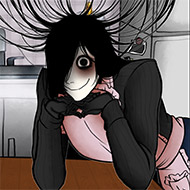








What actually makes a “cozy” visual novel different from any other romance story on a screen? In Between The Lines, it’s the pacing — nothing here is rushed toward a confession scene or a forced dramatic twist. It’s a university setting built for lingering conversations, small daily choices, and a slow-building relationship that earns its warmth instead of skipping straight to it.
| Genre | Visual novel / cozy romance |
| Setting | University |
| Format | Choice-driven dialogue and story branches |
Between The Lines runs on the visual novel format most players of the genre will recognize immediately: dialogue exchanges, character portraits reacting to what’s said, and choices that shape how a relationship develops over the course of the story. What distinguishes it within that format is its deliberately low-stakes, “cozy” framing — this isn’t a story built around conflict or crisis, it’s built around the small, ordinary rhythm of university life and the relationship that grows inside it.
That tone shows up in the pacing itself. Where a lot of romance visual novels compress an entire relationship arc into a handful of pivotal, high-drama scenes, Between The Lines leans into quieter beats — conversations that don’t need to resolve anything urgent, moments that exist just to build familiarity between characters rather than push the plot forward.
Player reaction has centered heavily on that atmosphere, with the game’s characters and its overall sense of comfort drawing consistent praise. It’s a story that trusts its setting and its cast to be engaging on their own terms, without needing a bigger dramatic hook to justify the university backdrop.
Expecting fast romantic payoff. Players used to visual novels that front-load big emotional moments sometimes find Between The Lines’ early pacing slow, when in fact that slowness is the format working as intended — rushing through dialogue choices to “get to the good part” undercuts a story that’s specifically built around gradual, cumulative warmth rather than a single climactic scene.
The second common mistake is treating early choices as inconsequential small talk. In a choice-driven visual novel like this, seemingly minor dialogue picks in the opening chapters often shape tone and relationship trajectory well before the story makes that connection obvious, so skimming through them on autopilot can mean missing why a later scene lands the way it does.
Early chapters establish the university setting and the day-to-day rhythm the story runs on, giving you space to get comfortable with the cast before any real relationship stakes come into play. As choices accumulate, the story narrows toward specific character dynamics, and by the later chapters, the groundwork laid in those quieter early scenes is what makes the more emotionally direct moments feel earned rather than sudden.
Because detailed, verified specifics about individual character names and exact branching paths aren’t widely documented outside the game itself, it’s worth being honest about that gap rather than inventing names or plot beats the source material doesn’t confirm — what can be said reliably is the format (choice-driven, university-set, cozy-toned romance) and the pacing philosophy that shapes it.
The game is built around choice-driven branching typical of the genre, with your dialogue picks shaping how the central relationship develops over the story.
It’s framed as a shorter, cozy-length story rather than an epic multi-route saga, which suits its slice-of-life pacing better than a sprawling campaign would.
No — the format is straightforward dialogue and choice mechanics that don’t require familiarity with the wider genre to understand or enjoy.
What Between The Lines ultimately offers isn’t a dramatic love story with high stakes attached — it’s the comfort of watching two people’s routine, everyday university life slowly turn into something warmer, one unhurried conversation at a time. That patience is either exactly the pace you’re looking for in a romance story, or a reason to look elsewhere, and the game is honest about which kind of experience it’s offering from the very first chapter.
