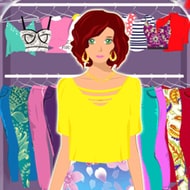
You start with a blank model and an empty rack, and the first choice Become A Fashion Designer asks you to make is bigger than it looks: what kind of dress are you even building toward tonight? A princess gown, something for a party, a prom look, or plain everyday wear — that first decision sets the whole tone for the outfit you end up assembling, and it’s the same decision real stylists make before they ever touch a single accessory.
| Genre |
Dress-up / fashion simulation |
| Core activity |
Outfit, accessory, and hairstyle design |
| Style categories |
Princess, party, prom, everyday |
| Platform |
Browser |
Become A Fashion Designer isn’t just a wardrobe with a shuffle button — it’s built around the idea that a good outfit is a set of decisions that reinforce each other. The dress you pick shapes which accessories actually make sense with it, and the hairstyle you land on either sells the whole look or clashes with it. That layered decision-making is what separates this from a simple palette-swap dress-up game.
Choosing a Direction in Become A Fashion Designer
Each of the four broad style categories in Become A Fashion Designer comes with its own internal logic. Princess-leaning looks lean into volume and formality — the kind of silhouette that reads as ceremonial from across a room. Party outfits trade some of that formality for something more expressive and current. Prom looks sit in between, aiming for elegant but still wearable. Everyday wear is the most restrained category, rewarding restraint and cohesion over spectacle.
Picking a category isn’t just cosmetic — it changes what “success” looks like for the rest of the outfit. A princess-style base paired with accessories built for an everyday look tends to read as mismatched, while a base and accessories drawn from the same category almost always land better. Recognizing that internal logic is the fastest way to go from a random assortment of pretty pieces to an outfit that actually holds together.
Accessories and Hairstyles: The Finishing Layer in Become A Fashion Designer
Once the dress is locked in, Become A Fashion Designer shifts the decision-making to accessories and hair, and this is where a lot of the real design skill in the game shows up. Accessories can either reinforce the dress’s category — jewelry and details that match a prom look’s elegance, for instance — or actively undercut it if picked without much thought. Hairstyle choice works the same way: the right hair can make a formal dress look intentional and finished, while the wrong one can make an otherwise strong outfit look unfinished.
Players who treat accessories and hair as an afterthought tend to end up with outfits that look like they’re fighting themselves — a princess dress with an everyday hairstyle, or a prom look paired with accessories built for a party category. The players who get the most satisfying results are the ones who go back and adjust the finishing layer rather than locking it in immediately after picking a base dress.
Why Everyday Wear Is Harder to Nail Than It Looks
It’s tempting to assume the everyday category is the “easy mode” of Become A Fashion Designer simply because it’s less flashy than princess or prom options, but it’s actually the category with the least room for error. Without an ornate dress doing a lot of the visual work for you, every accessory and hair choice has to genuinely earn its place, which makes restraint a real design skill rather than a default setting.
What Players Enjoy Most About the Format
The most consistently praised part of Become A Fashion Designer is the sheer range across all four categories — the game gives you enough variety that going back to try a completely different style direction feels like a fresh session rather than a repeat of the last one. That replayability, more than any single standout outfit, is what keeps players coming back to design another look.
Building an Outfit Like a Stylist Instead of a Collector
One habit that separates a scattered outfit from a genuinely polished one is resisting the urge to grab whatever piece looks most striking on its own. A single dramatic accessory can be the best-looking item in the whole selection and still be the wrong choice, if it pulls attention away from the dress rather than working with it. The more useful approach in Become A Fashion Designer is to treat every piece as a supporting decision underneath whichever category you picked first — the dress sets the brief, and everything after that is judged by how well it answers that brief rather than by how impressive it looks in isolation.
That mindset shift — from collecting striking pieces to building a coherent answer to a single style question — is really what separates players who cycle through outfits quickly from players who spend real time refining one look until every piece agrees with the others.
- Do you have to finish one category before trying another in Become A Fashion Designer? No — each of the four style directions (princess, party, prom, everyday) is its own independent design session, so you can jump between them freely without losing progress on any one look.
- What’s the fastest way to make an outfit look cohesive? Keep your dress, accessories, and hairstyle drawn from the same style category rather than mixing pieces built for different tones — a princess dress reads best with princess-appropriate accessories and hair, not everyday-style finishing touches.
- Is the everyday category actually simpler than the others? Not necessarily — with less ornamentation to lean on, small mismatches in accessories or hair stand out more in an everyday look than they would against a busier princess or party base.
By the time you’ve built a look you’re actually happy with, Become A Fashion Designer has quietly taught the same lesson real stylists work from — that a great outfit isn’t one flashy piece, it’s a dress, an accessory set, and a hairstyle all agreeing with each other on what story they’re telling, whether that story is a princess entrance, a party night out, or a quietly confident everyday look.